Ciclul Anatomia Invizibilului · lumină, tensiune, formă Cycle Anatomy of the Invisible · light, tension, form
69 lucrări digitale 69 digital works
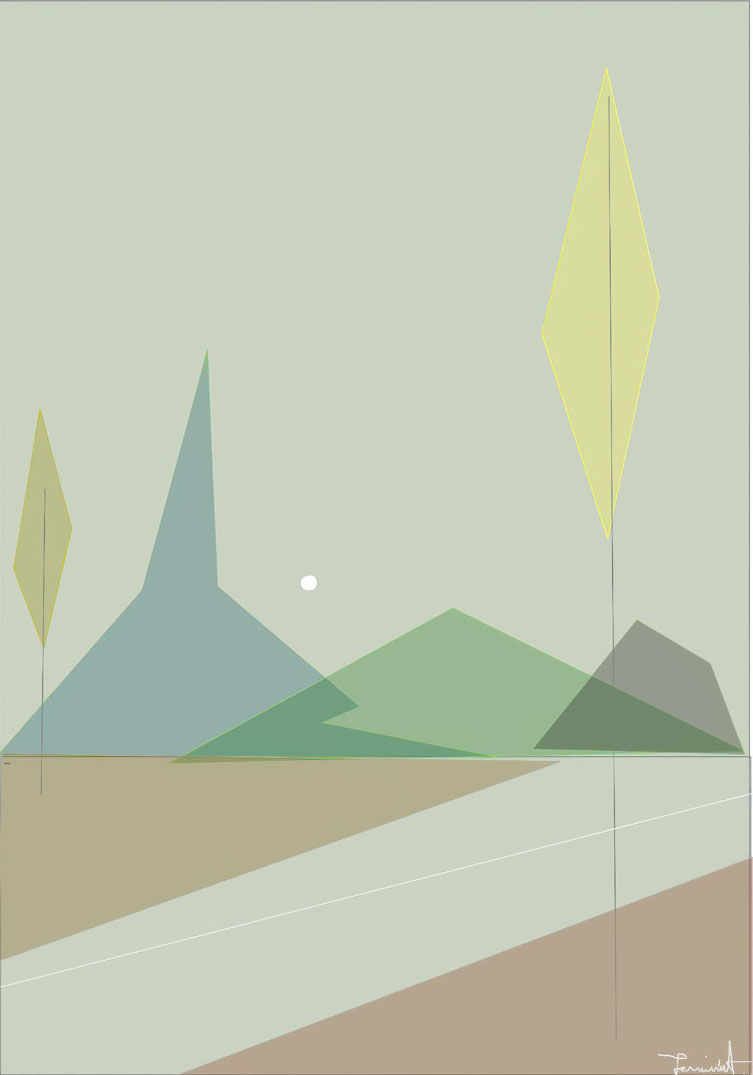
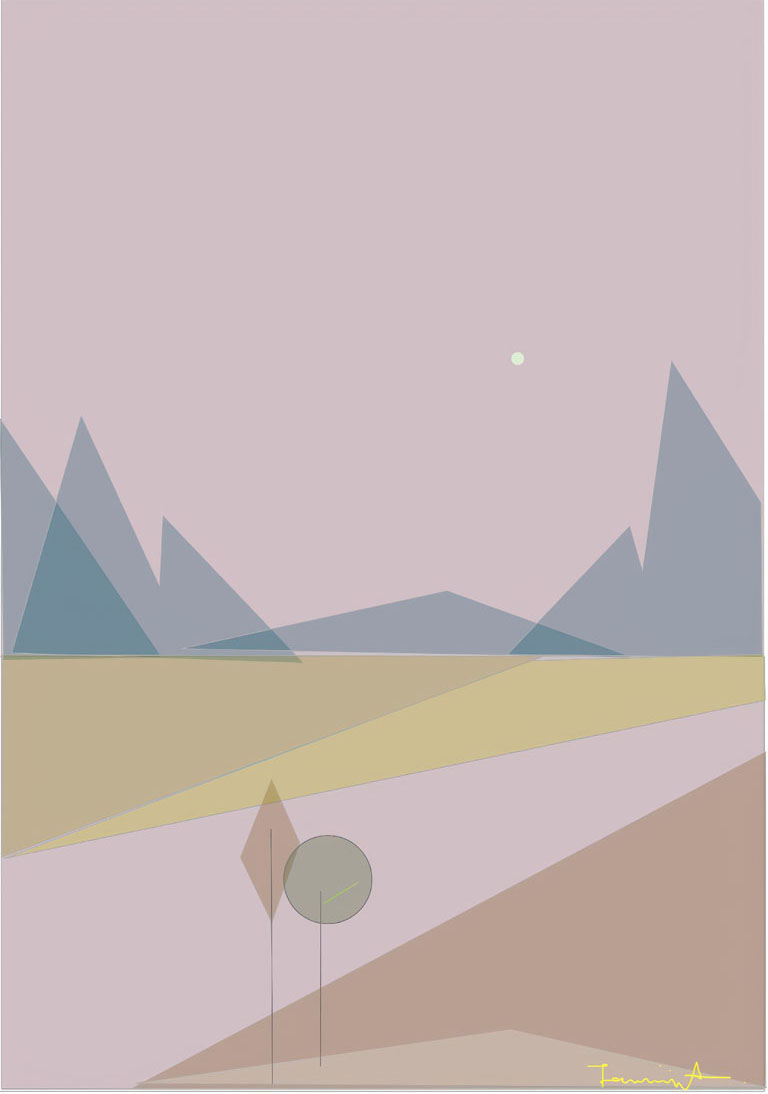
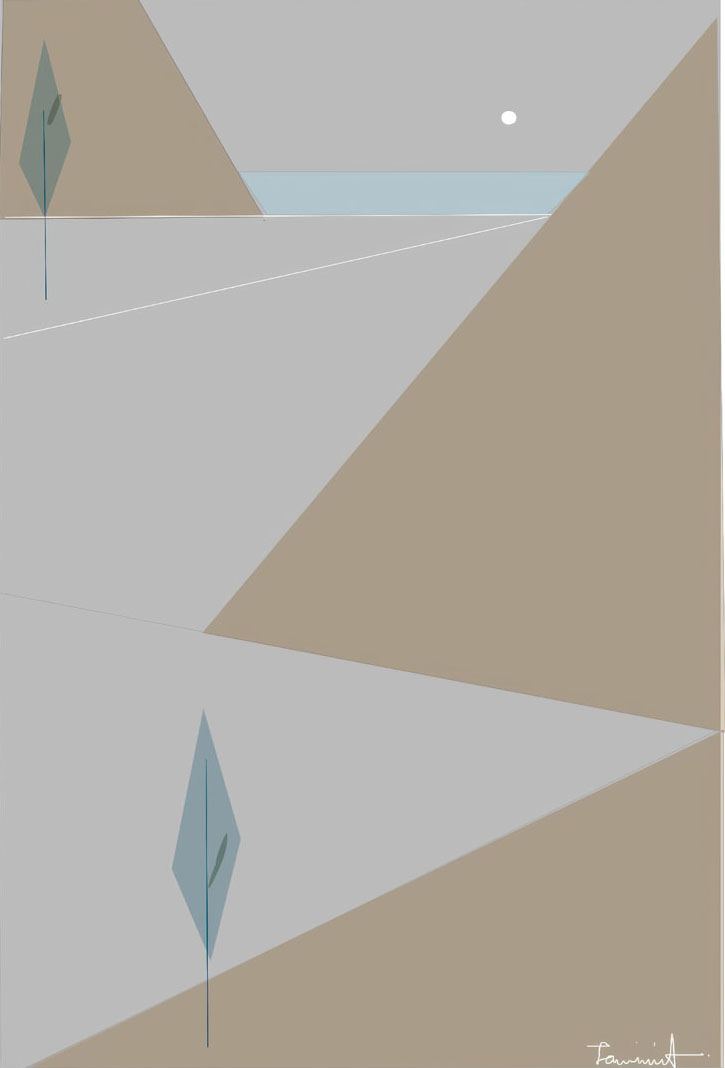
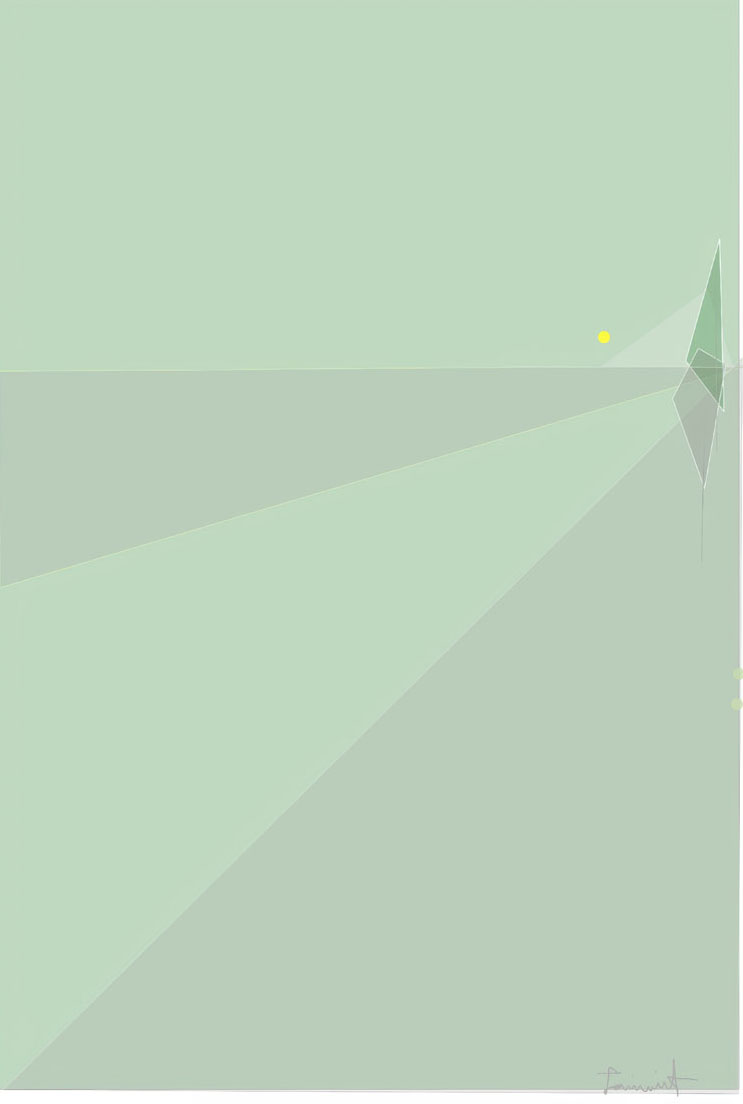
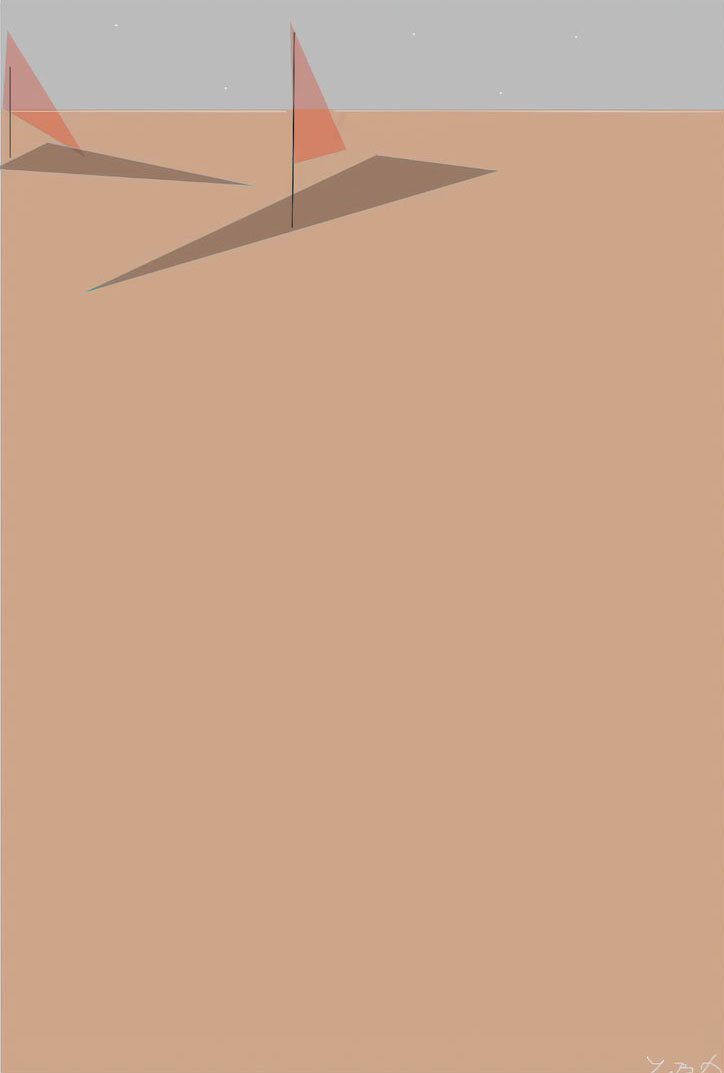
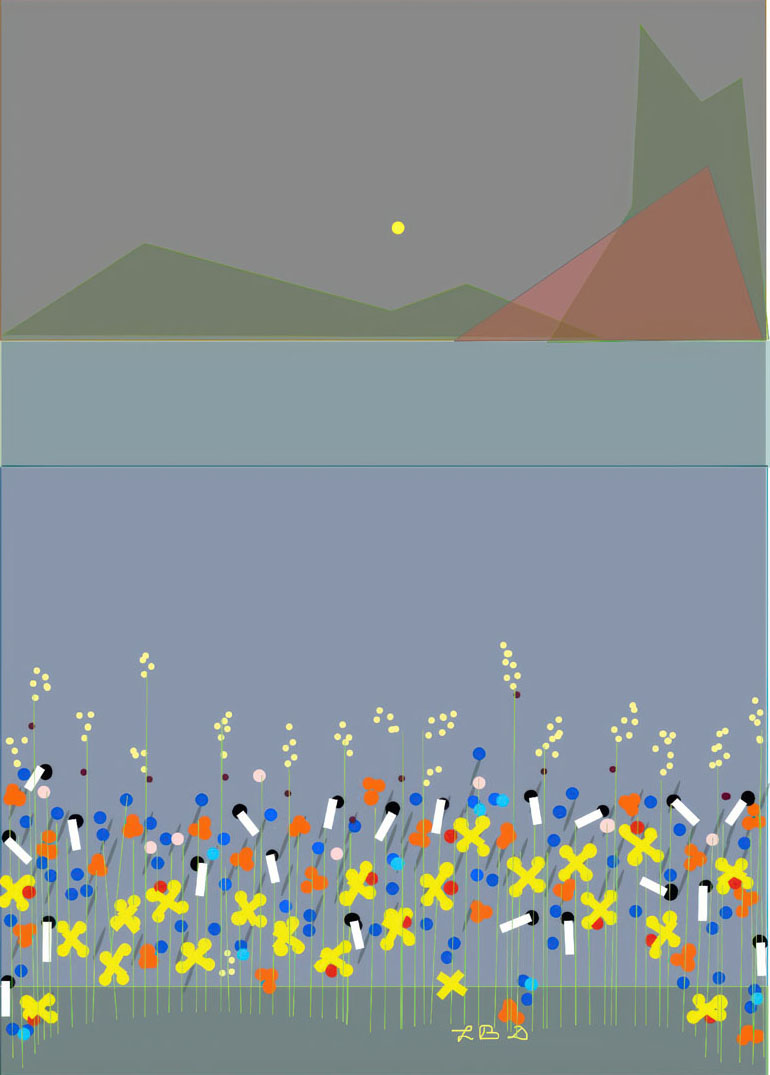
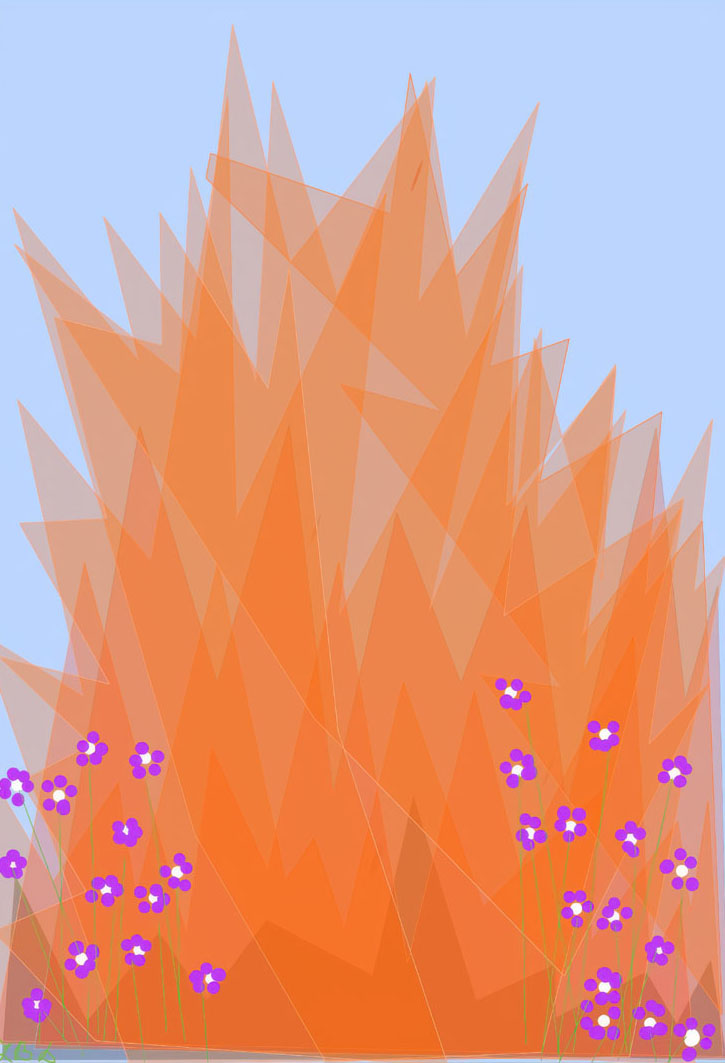
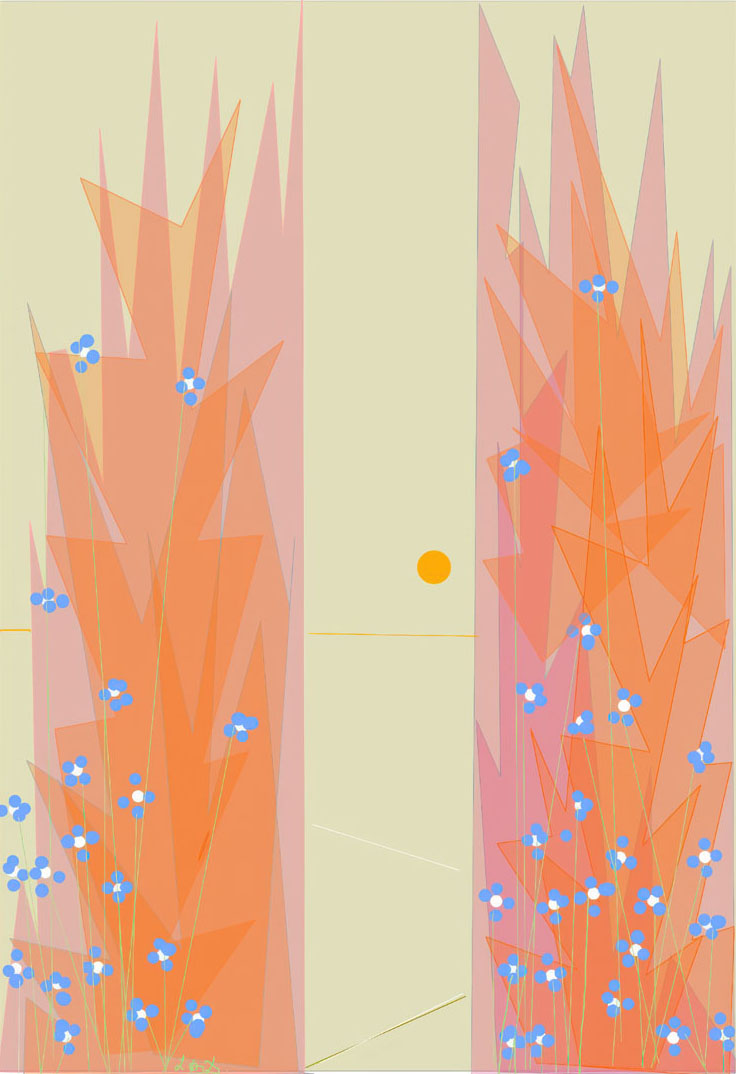
Întrețeserea de relații la nivelul elementelor naturii, elementelor unui peisaj, determină treapta de evoluție a indivizilor umani ce trăiesc sau nu într-un spațiu-timp. Imaginea asupra culturii folclorice, tradiționale românești, a cuprins dintotdeauna reprezentări fidele, conforme cu realitatea, ale câmpului, pământului, locurilor...; de la căpița de fân la carul cu boi. În conștiința artistică, aceasta reprezintă o "verigă" într-un lanț evolutiv de stări inițiată prin atitudini ce oferă în sens spațial o timbralitate specifică, simultană cronologic cu o actualitate în care existența și funcția industrializării nu ajunsese să creeze structuri și restructurări specifice acesteia. Etapa, "veriga" stilistică, edifica ochiul privitorului printr-o puternică notă afectivă. În seria "Landșaft" am redefinit peisajul, păstrând modelul structural-tematic, referențial, apelând la "arsenalul" considerat expresiv în postmodernitate, anume forma geometrică. Altfel spus m-am folosit de înstrăinarea (printr-un ansamblu al manifestărilor imaginației mai mult sau mai puțin conforme) de realitate pentru a redefini spațio-temporal locuri devenite vizibile cu ajutorul formelor geometrice, neîndepărtându-mă de referentul cultural definit prin integritate valorică, echilibru, suficiență, completitudine, coerență. Funcția centrifugă îndreptată către atmosfera provocată de paleta coloristică, s-a descris drept reacție compensatorie în păstrarea și amplificarea notei (afectivizante). Dorind să reprezint într-un credibil și autentic mod stilistic peisajul, am acordat o binemeritată întâietate liniilor de resubstanțializare, aducând ochiul privitorului postmodern, ajutată de o atitudine oarecum romantizată, la o edificare rapidă dată de forma geometrică, folosită cu funcția de element estetic constitutiv. În vederea stabilirii unei comunicări vizibile între cele două "regnuri" ale conștiinței, cel vechi și cel pe care-l propun în succesiunea de lucrări din seria "Landșaft", am organizat discursul estetic amplificându-l printr-o grilă de stări afectiv-subiective, reactualizând cu ajutorul memoriei și sau imaginarului câmpul spațio-temporal, la care fac referire.
Lavinia Bujor-Deaconu
The interweaving of relationships among the elements of nature and the components of the landscape shapes the stage of development of human beings, whether or not they inhabit a particular space and time. The imagery of Romanian traditional folk culture has long been characterized by faithful representations of the countryside, the land, and familiar places—from haystacks to ox-drawn carts. Within artistic consciousness, these images constitute a link in an evolutionary chain of sensibilities, initiated by attitudes that endowed space with a distinctive emotional resonance, belonging to a historical period in which industrialization had not yet transformed either the physical environment or the structures of everyday life. This stylistic "link" educated the viewer's perception through a deeply affective visual language. In the series Landscape, I sought to redefine the notion of landscape while preserving its structural and thematic references. To achieve this, I turned to one of the most expressive visual vocabularies of postmodernism: geometric form. In other words, I employed a deliberate estrangement from visible reality—through manifestations of imagination that only partially correspond to it—in order to redefine places within a new spatial and temporal framework. At the same time, I remained faithful to the cultural referent, understood through values such as integrity, balance, sufficiency, completeness, and coherence. The centrifugal force generated by the chromatic atmosphere functions as a compensatory response, preserving and intensifying the emotional dimension of the works. Seeking to represent the landscape in a stylistically authentic and convincing manner, I gave precedence to the lines of re-substantialisation, allowing the contemporary viewer, aided by a subtly romantic sensibility, to recognise the landscape through geometric form employed as a fundamental aesthetic element. In order to establish a visible dialogue between the two "realms" of consciousness—the inherited cultural memory and the one proposed throughout the Landscape series—I structured the aesthetic discourse by amplifying it through a network of subjective emotional states. In doing so, I reactivate, through memory and imagination, the spatial and temporal field to which these works refer, inviting the viewer to reconstruct its meanings within a contemporary visual language.
Lavinia Bujor-Deaconu
Ciclul Anatomia Invizibilului Anatomy of the Invisible Cycle