Ciclul Anatomia Invizibilului · lumină, tensiune, formă Cycle Anatomy of the Invisible · light, tension, form
70 lucrări digitale 70 digital works
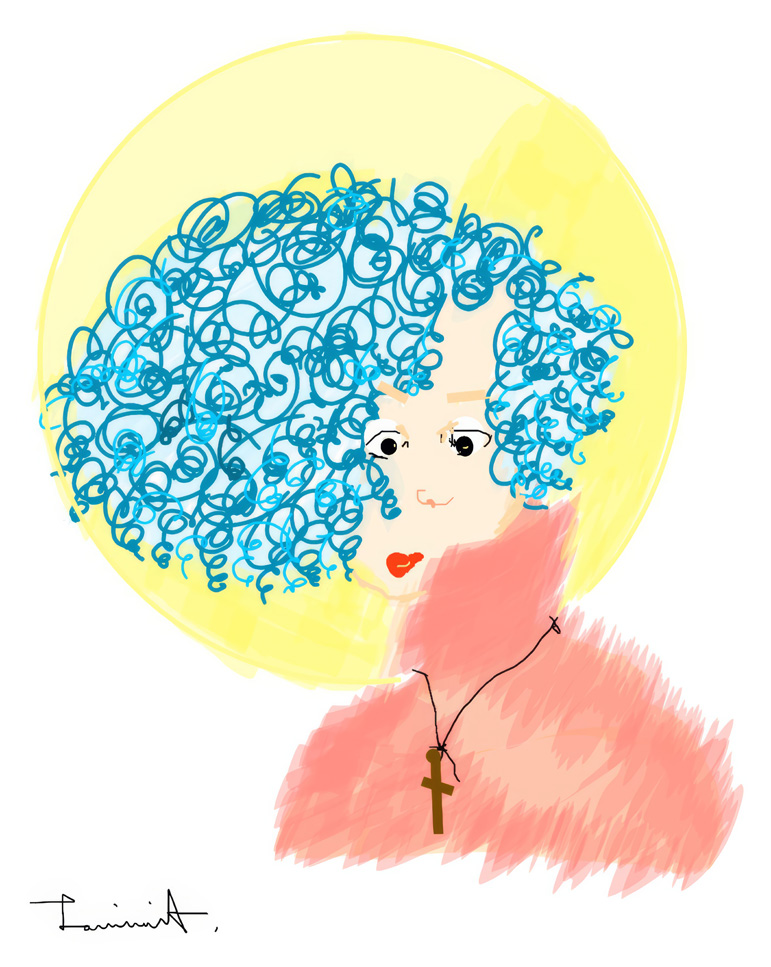
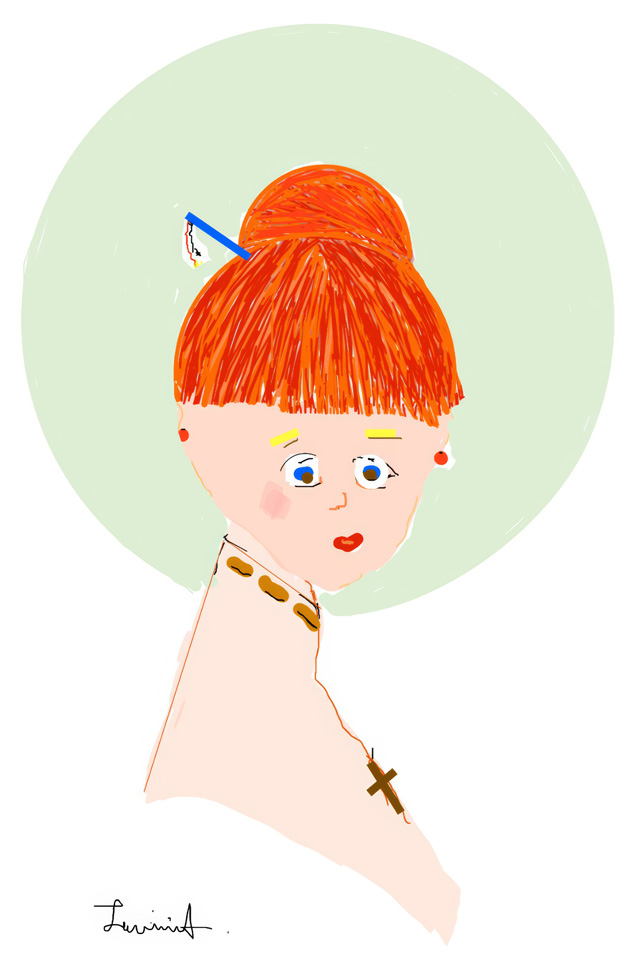
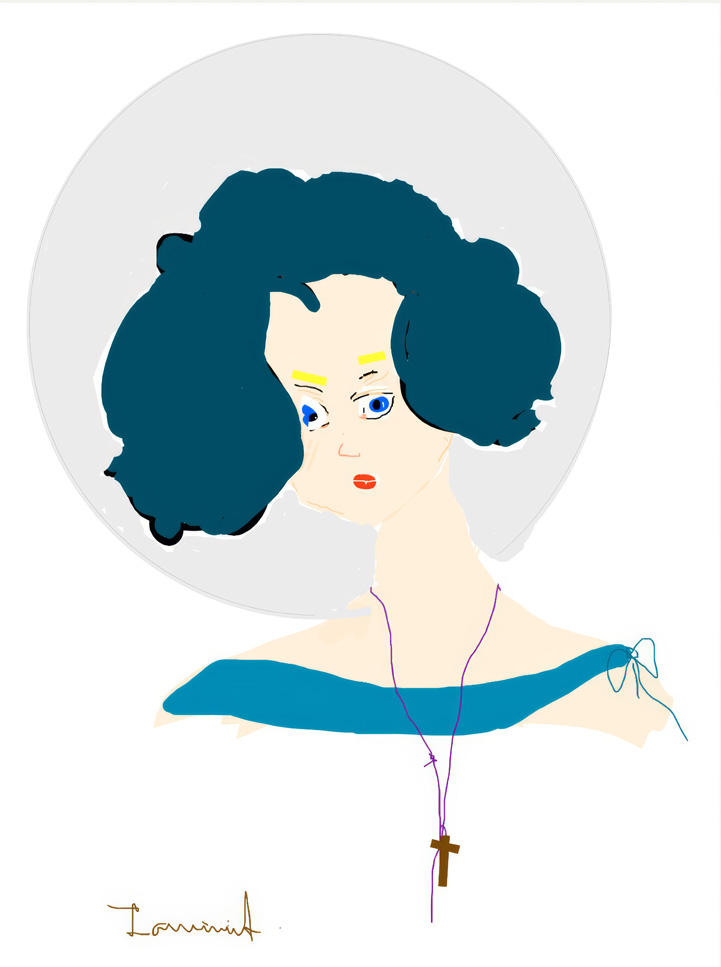
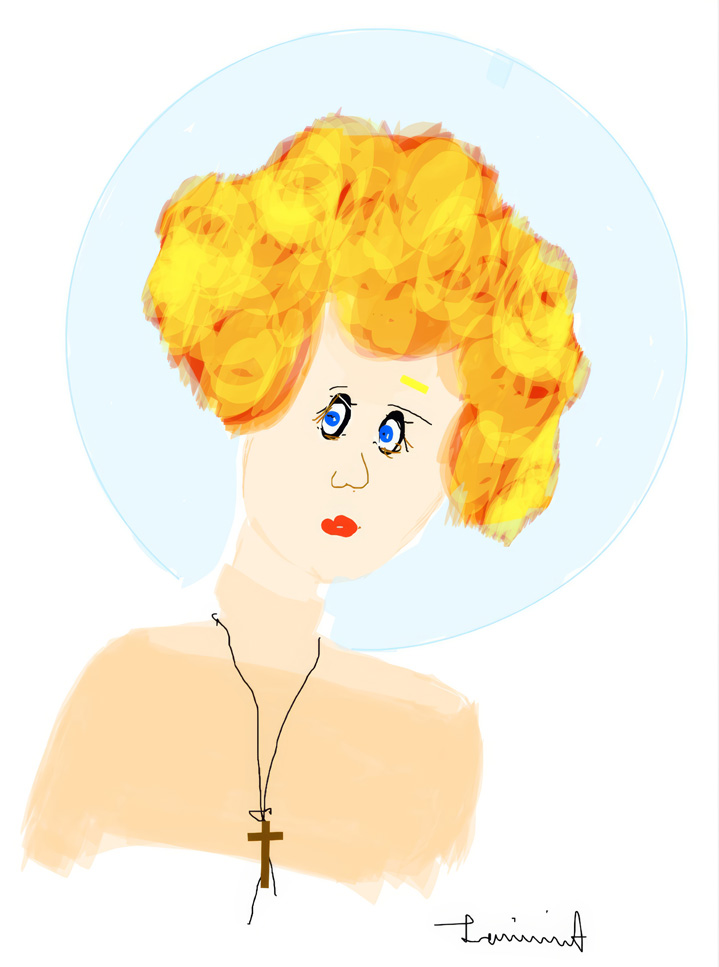
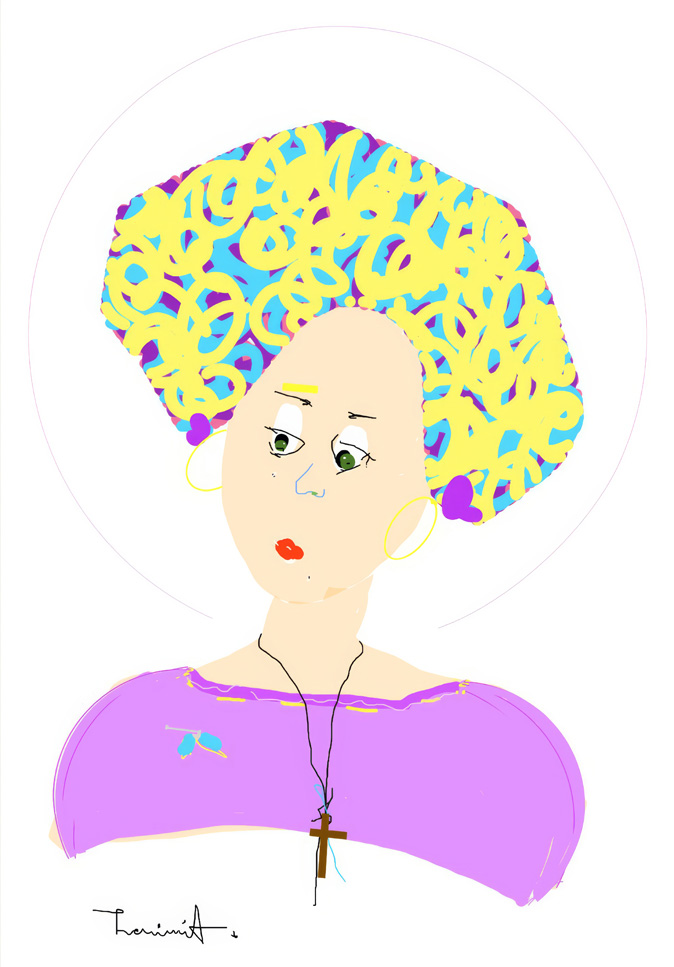
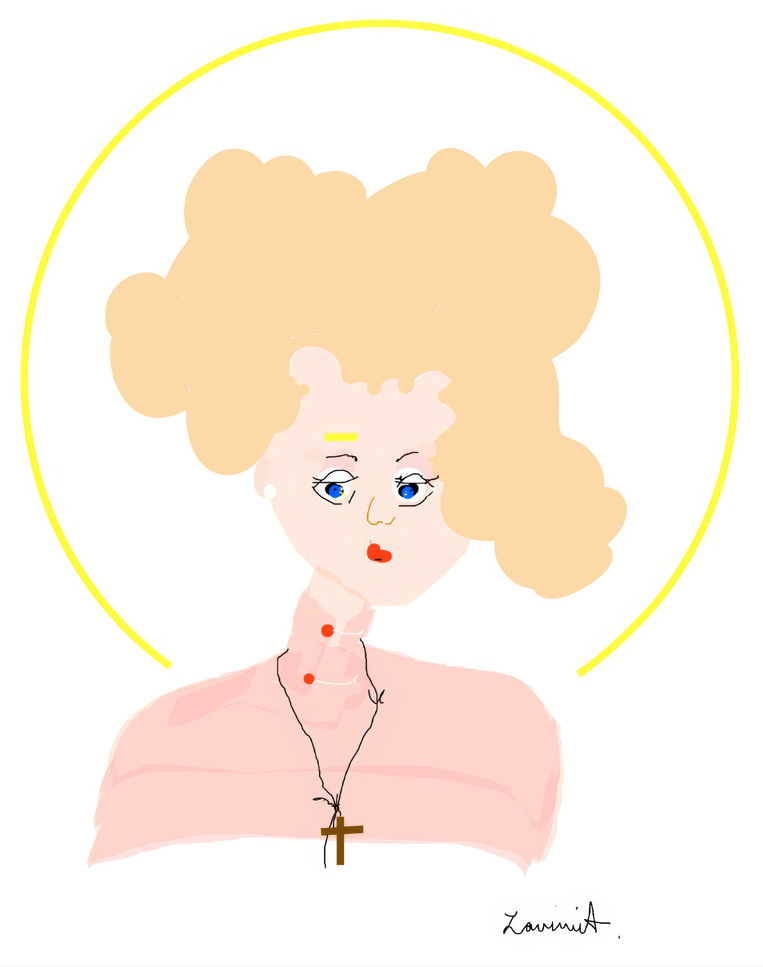
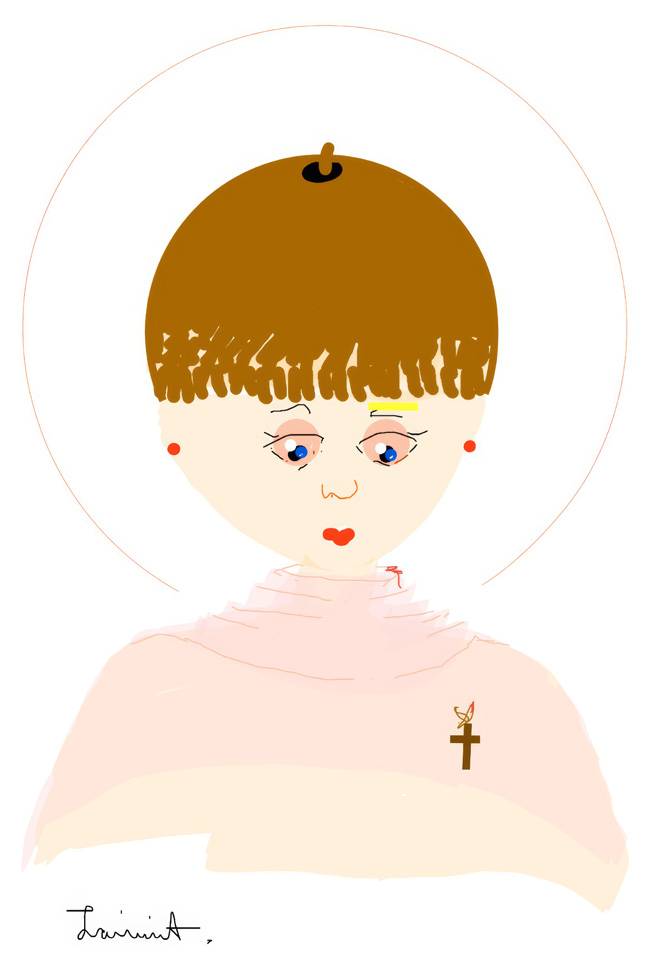
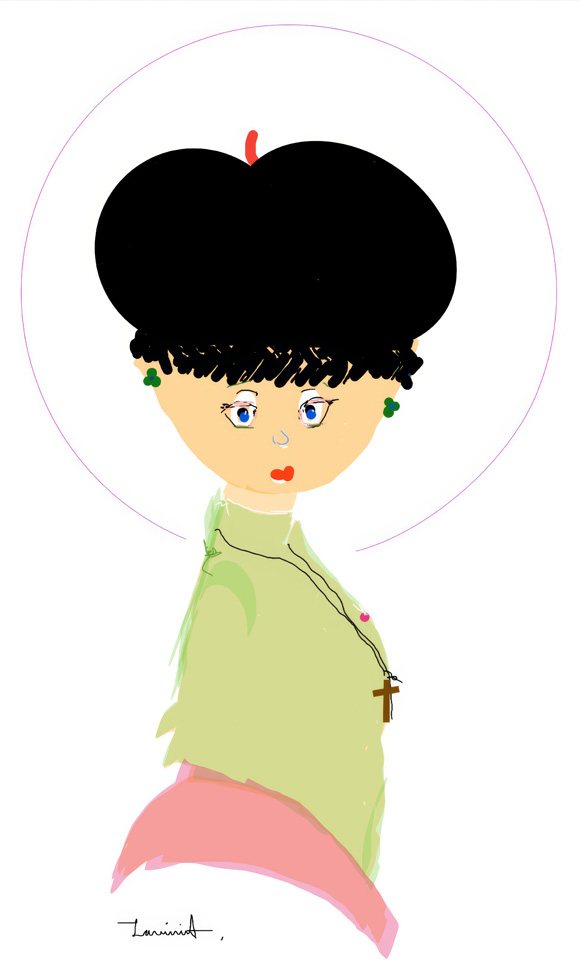
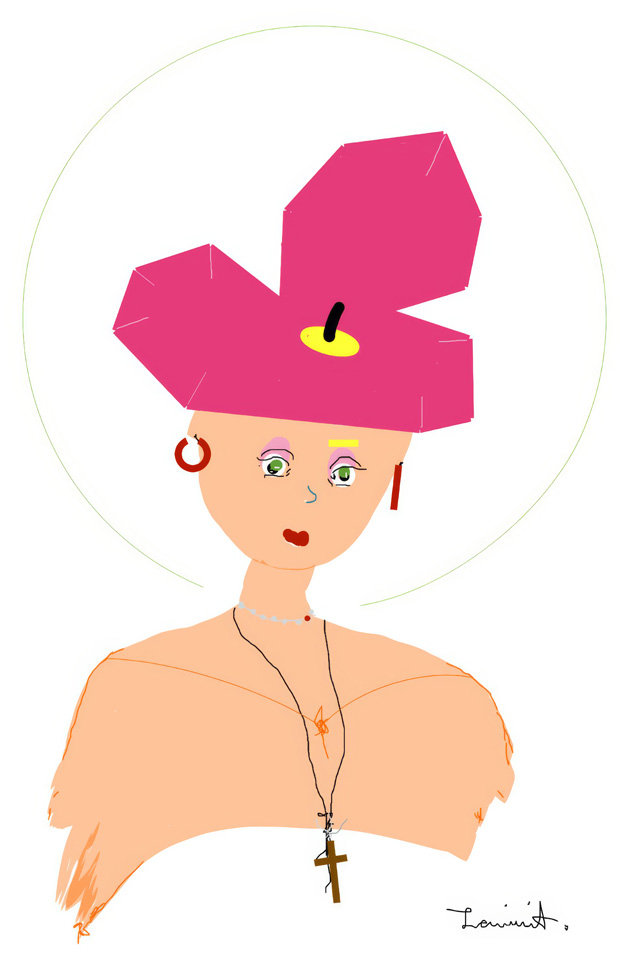
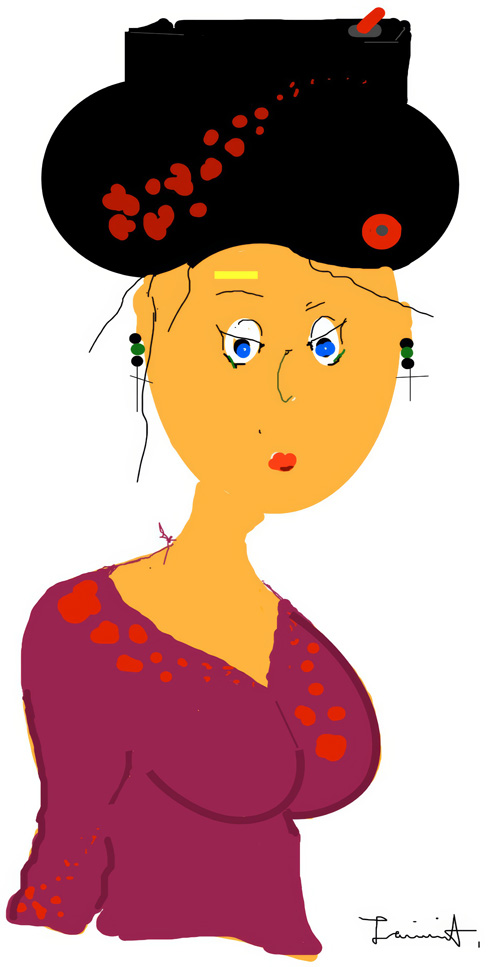
Procesul de diseminare a sacrului in arta digitala, mai exact in universul postmodern, nu se vrea a fi o dislocare sau anihilare a traditiei, ci o pozitionare a discursului sacru intr-o modernitate a carei substanta cumuleaza continuu limbaj profan, laic. In sens artistic am elaborat un nou set de valori in propria -mi gandire creativa. Ilustrarea unui tip de atitudine insuficient conturata dar suficient de detaliata incat sa incarce personajele din aceasta serie cu cruditate afectiva, face ca aceasta sau mai exact spus simplitatea lucrarilor sa ajunga sa le situeze intr-un plan mult mai apropiat publicului privitor. Intensitatea expresiei si concentrarea substantiala a seriei de lucrari, am realizat-o prin aparitia sacrului concentrat in simbolul crucii, aceasta purtata fiind de fiecare personaj. "Duminică sau Femeia din care nu a fost extrasă credința", este o serie ce am gandit-o plasata intr-o actualitate cu probleme legate de interactiune, intr-o duminica in care lumescul se intalneste cu sacrul. Miza unei asemenea estetici este relatarea trasaturii distinctive oferita de sacru, ca refugiu intr-o realitate data de neputinta evitarii curgerii profanului prin vietile oamenilor. Altfel spus, putem considera aceasta alaturare de trasaturi si simboluri folosite in lucrari drept componenta a unui ansamblu necesar postmodernismului, devenind o ecuatie prioritara intr-o lume ce nu se descrie sub egida multiculturalitatii, pseudocunoasterii. Intensificarea expresiei am realizat-o prin aparitia concentrarii substantiale a discursului pe unul din simbolurile sacralitatii. Crucea. Cu o asemenea estetica am cautat sa metaforizez dainuirea. In acest context estetic, vad dainuirea ca proces imediat necesar, un fenomen ce-si transforma aparenta dar nu si continutul. Personajele capata semnificatii estetice definite mai degraba ca stare a unei mentalitati individuale, contopita, situata peste un mental colectiv, pentru care crucea constituie principalul simbol reprezentand jertfa de rascumparare a umanitatii, sau/si o raspantie a umanului. Intrepatrunderea amplificativa a celor doua lumi aparent distincte, cea a sacrului si cea a laicului, am gandit-o ca o simbioza care sa defineasca o constanta functionala, aceasta constanta reprezentand si definind specificul dainuirii. M-am limitat din motive de unitate estetica la articularea specificului in modernitatea culturala europeana, unde crucea, simbol al crestinatatii, capata amplificat efervescenta referentiala. Constelatia trasaturilor surprinse in fiecare personaj din lucrarile acestei serii in contrast cu simbolul unic crucea, face ca trimiterea imediata la o comunitate umana crestina, sa poarte cu ea definitia salvatorului. Totodata defineste si teama pierderii ireversibile a unor valori din ancestralitatea imemoriala. Marimea distantei temporale intre trasaturile definitorii celor doua lumi sacra si laica, puse intr-un context estetic configurat prin atitudini ale personajelor, declanseaza o reconfigurare substantiala fara a cenzura structurile sacrului. A fost interesant sa remarc faptul ca in final desi lucrasem cu modulul-tip atitudinea, se nascuse inevitabil intre simbolurile contrastante folosite. o coerenta si o coeziune constanta a structurilor nou aparute. Crucea, simbolul care ofera asemanarea, similitudinea, este cel care totodata functioneaza in fiecare lucrare a seriei, ca element antinomic. Fara o pierdere a identitatii lumii sacre, fara o contaminare a "credintei adevarate", am conturat estetic femeia ca depozitar de elemente religioase, sacre, prin constituirea unei memorii colective sursa. Pentru a reda varietatea, am folosit in portretele componente din aceasta serie asimetrii neasteptate si elemente de vestimentatie lamuritoare, care in procesul efectiv al creatiei, justifica axa temporala si completeaza expresivitatea in manuirea limbajului artistic pentru a fi lesne de inteles. Analizand faptul ca privitorul este mai obisnuit sa judece elementele legate de continut, decat limbajul operelor artistice, m-am folosit de elementele vestimentare comune epocii noastre, in tandem cu elementul crucea, simbol sacru, transformat aici in accesoriu definindu-l ca fiind un motiv- aparitie familiara. Fara sa fi pierdut elementele-simbol din lucrarile acestei serii intr-un primitivism nefunctional, am sintetizat in linii unitare alcatuind cu ajutorul liniilor imprecise reprezentari necesare cu intentii exacte pentru definirea esteticii.
Lavinia Bujor-Deaconu
The process of disseminating the sacred within digital art, more precisely within the postmodern universe, is not intended as a displacement or negation of tradition, but rather as a repositioning of sacred discourse within a modernity whose substance continuously accumulates secular and profane forms of expression. From an artistic perspective, I have developed a new set of values within my own creative thinking. The portrayal of an attitude that is only partially defined, yet sufficiently articulated to imbue the characters of this series with emotional severity, allows the apparent simplicity of the works to bring them into closer proximity with the viewer. The expressive intensity and conceptual concentration of the series are achieved through the presence of the sacred, embodied in the symbol of the Cross, carried by every character. Sunday, or the Woman from Whom Faith Was Never Removed is a series conceived within the context of contemporary society and its difficulties of interaction, set on a Sunday—a symbolic moment in which the secular encounters the sacred. The aesthetic intention is to reveal the distinctive quality offered by the sacred as a refuge within a reality shaped by the unavoidable flow of the profane through human life. In other words, the combination of attributes and symbols employed throughout the works may be understood as an essential component of postmodernity, becoming a necessary equation in a world increasingly defined by multiculturalism and pseudo-knowledge. The expressive force of the series is intensified through the concentration of its visual discourse around one of the fundamental symbols of sacredness: the Cross. Through this aesthetic, I sought to create a metaphor for endurance. Within this context, I understand endurance as an indispensable and continuous process—a phenomenon whose outward appearance may change while its essential content remains intact. The characters acquire aesthetic significance as expressions of individual consciousness superimposed upon a collective mentality, for which the Cross remains the primary symbol of the redemptive sacrifice of humanity and, at the same time, a metaphorical crossroads of the human condition. The deliberate interweaving of the sacred and the secular—two worlds that appear distinct—is conceived as a symbiosis defining a constant and enduring principle. For reasons of aesthetic unity, I have situated this discourse within the framework of European cultural modernity, where the Cross, as the central symbol of Christianity, acquires an intensified referential resonance. The constellation of characteristics embodied by each figure, contrasted with the singular presence of the Cross, immediately evokes the Christian community while simultaneously carrying with it the idea of the Saviour. At the same time, it expresses the fear of the irreversible loss of values inherited from an immemorial ancestral tradition. The temporal distance separating the defining characteristics of the sacred and the secular, when brought together within an aesthetic framework shaped by the attitudes of the figures, generates a profound reconfiguration without diminishing the structures of the sacred itself. It was particularly revealing to observe that, although I initially worked with attitude as the fundamental compositional module, the contrasting symbols employed gradually formed an inevitable coherence and structural unity. The Cross—the symbol that establishes resemblance and continuity—also functions throughout the series as an antinomic element. Without compromising the identity of the sacred world or contaminating what may be called "true faith," I have sought to define woman aesthetically as the bearer of sacred and religious values, through her role as the repository of a collective and foundational spiritual memory. In order to introduce variety, I employed unexpected asymmetries and carefully selected elements of contemporary clothing within the portraits that compose this series. During the creative process, these elements serve to clarify the temporal setting while enriching the expressive language of the works, making them more immediately accessible to the viewer. Recognising that viewers tend to interpret the content of an artwork more readily than its formal language, I deliberately combined clothing characteristic of our own time with the Cross—a sacred symbol transformed here into an everyday accessory, functioning as a familiar visual motif. Without allowing the symbolic elements of the series to dissolve into a non-functional primitivism, I synthesised the visual language into coherent linear structures. Through deliberately imprecise lines, I constructed essential representations capable of conveying precise aesthetic intentions and defining the visual identity of the series.
Lavinia Bujor-Deaconu
Ciclul Anatomia Invizibilului Anatomy of the Invisible Cycle